What "in-stock" means here
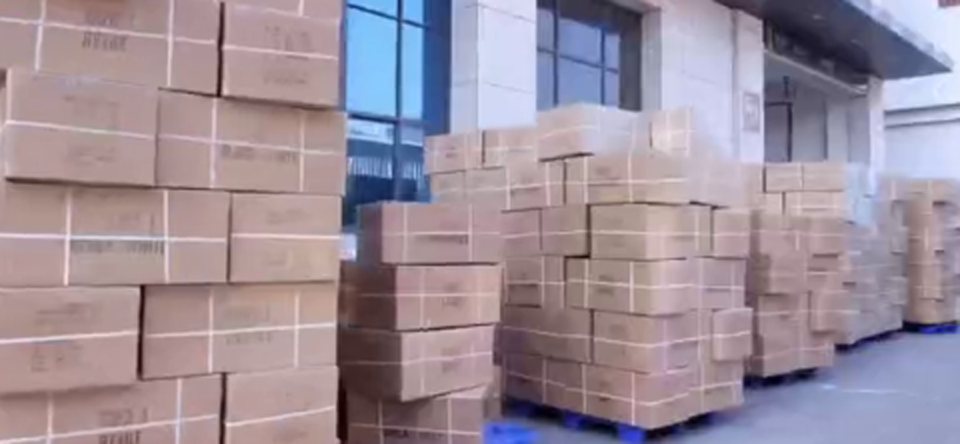
Stock programs work on a simple premise: the shoes are already made, boxed and racked in the partner's warehouse. What you buy is a slice of that inventory, by the carton. There is no tooling, no development and no production queue - the clock starts when your program is confirmed, and the partner states that confirmed orders are picked immediately. For a wholesaler filling a gap, a marketplace seller testing a style, or a store that underestimated a size run, that speed is the whole point.
The current season's list carries 37 model codes across casual sneakers and sandals. Colors sit in the core range - blacks, whites, greys, browns - because that is what the warehouse can move in volume. Sizes run EU 36-45 on most models, with some women's and kids' runs at 36-41. Each model on the list shows its color, its size run per carton and the cartons on hand, so a program can be planned against real quantities instead of promises.
The lots below, and the list behind them
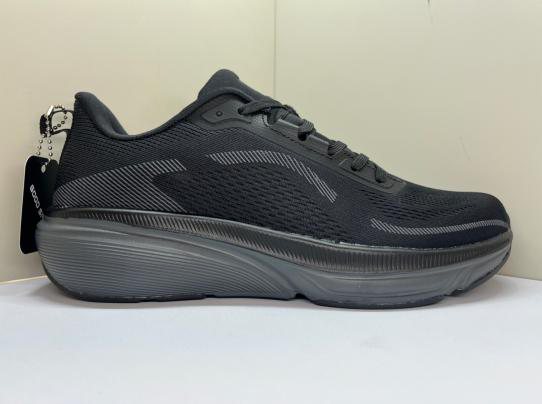
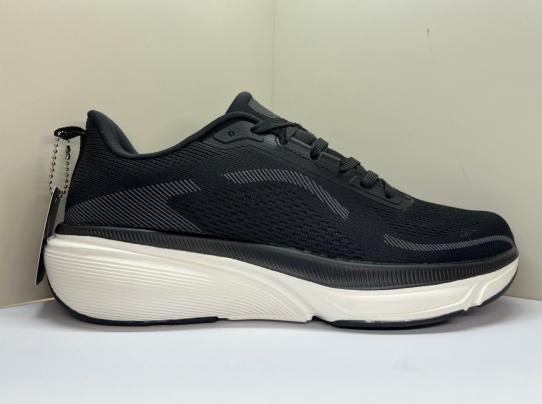
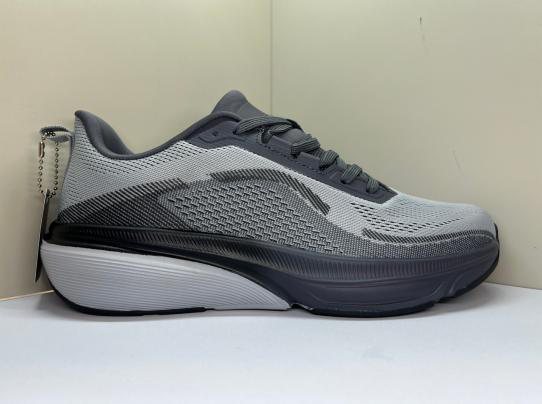
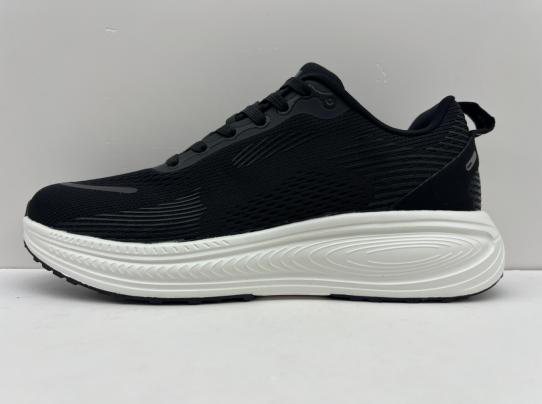
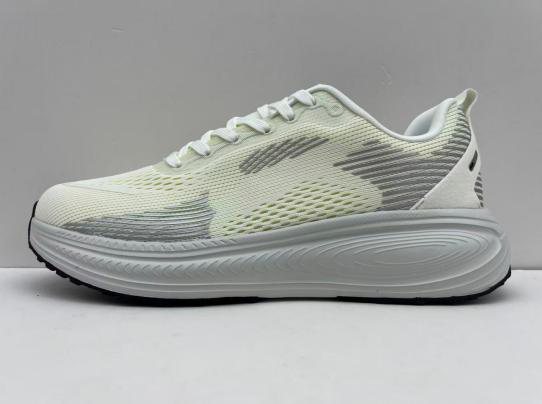
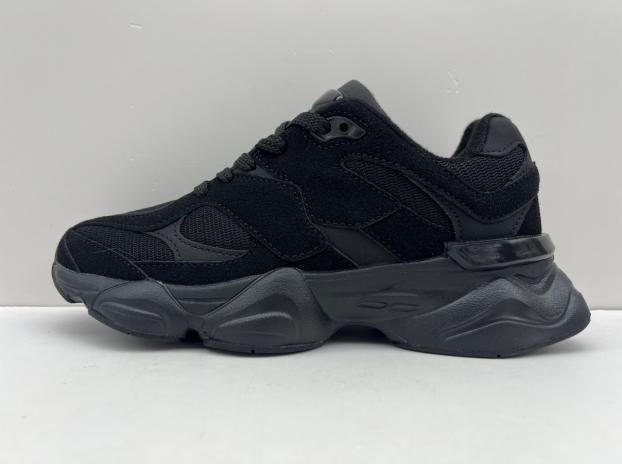
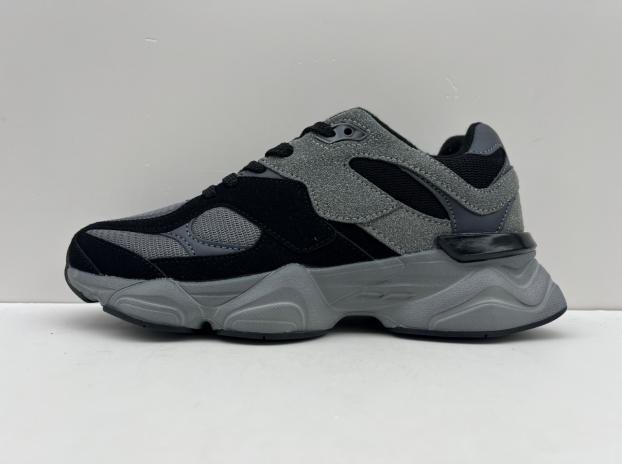
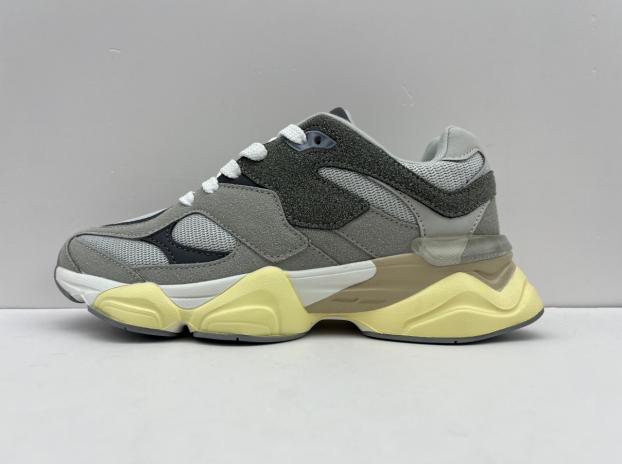
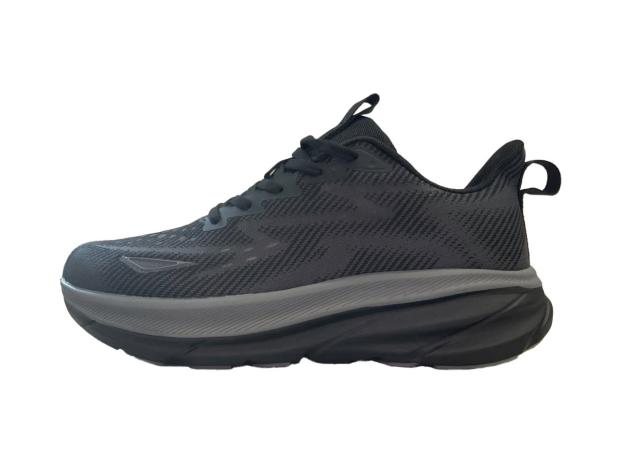
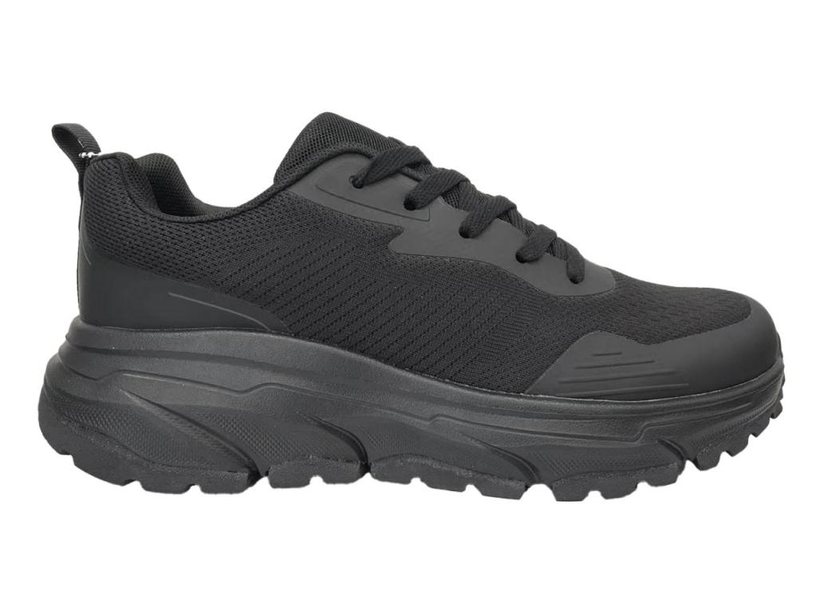
The sample lots shown on this page are current-season references with photos on file. They are a slice of the list, chosen to show the range of categories - cushioned runners, court lows, leather casuals, chunky builds, a trail-style runner and a kids' line. Stock changes as cartons ship, so the site never publishes a complete catalog. When you send the request form, the desk replies with the live list: every model, color and size run on hand that week, in writing.
Photos of the lots are supplier photographs of the actual styles. Because stock moves, a photo is a reference to the style family, not a reservation - the list you receive at RFQ is the document that counts.
How minimums work on stock
Minimums are counted in cartons, not pairs per color. A carton holds 12 pairs in a size run - typically 1-2-3-3-2-1 across the six size steps of the run - and mixed models are allowed within a carton, which lets a first-time buyer spread a small budget across several styles instead of committing twelve pairs to one. That makes the stock route a practical testing tool: a few cartons across four styles tells you more about your market than a deep position in one style ever will. Quantities and the exact size run for your program are confirmed in writing at RFQ.
From confirmation to dispatch
- Pick from the list. Choose models, colors and carton counts from the live list, or ask the desk to propose a mix for your channel.
- Confirm the program. The desk confirms quantities, packing, marking and the shipping plan in writing.
- Picking and inspection. The partner picks on confirmation; cartons are checked against the list before sealing.
- Dispatch. Stock typically dispatches within days of confirmation - the desk confirms the date in writing.
For labels and marking, stock cartons ship with the partner's neutral packing by default. If your program needs specific carton marking for a marketplace warehouse or a distributor, say so in the brief - marking is easiest to settle before sealing, not after. See the lot buying guide for how buyers structure first orders.
Where stock fits next to OEM
Stock and OEM answer different questions. Stock answers "what can I sell next month": proven categories, core colors, no tooling, fast dispatch. OEM answers "what is my brand": your design, your labels, your range, on a slower clock of samples and production. Many ranges start on stock - the margin story and the sell-through data come first - and convert the proven styles into OEM programs the following season, with the brand's own labels and packaging from the start. If that is the plan, tell the desk; knowing the destination changes which stock styles are worth testing. Compare the routes in the OEM guide and MOQ and lead time.
Colors, and why they skew core
The stock list sits in core colors on purpose. Black, white, greys and browns are the colors a warehouse can move in volume across seasons, and they are the colors a wholesaler or marketplace seller can sell through without betting on a trend. Seasonal colors and prints belong to the OEM route, where a design is made to order and depth is planned rather than bought. If your channel needs a specific colorway at depth, treat stock as the testing round and move the winner to OEM - the desk plans both sides of that handoff. For how the two routes compare on clock and control, read the OEM route.
What the desk checks before you commit
Stock is fast, which is exactly why the checks matter. Before any program is confirmed, the desk verifies in writing: the models and colors you are buying against the live list; the size run in each carton; the carton count on hand at that moment; the packing and carton marking; and the dispatch date. Photos of picked cartons are available for stock programs on request, and inspection against the confirmed list is part of the desk's standard process - see quality control.
One more check protects both sides: the desk confirms in writing that the styles on your program are original generic designs from the partner's own range. It is a short sentence on the program sheet, and it is the sentence that keeps a fast, convenient stock order from turning into a customs problem later.